
Best Drought-Tolerant Plants for Sonoma County Landscapes
If you're planning a landscape project in Sonoma County, one of the smartest decisions you can make is choosing plants that actually work with our climate.
Hot dry summers, clay-heavy soil, seasonal rain, and water-conscious landscaping all affect what plants will thrive long-term.
After working on properties across Sonoma County since 2005, Felix often helps homeowners choose plants that look great, use less water, and require less maintenance over time.
Here are some of the best drought-tolerant plants for landscapes in Sonoma County.
1. Lavender
Lavender is one of the most popular choices for California landscapes.
Why homeowners love it:
- Low water once established
- Pleasant fragrance
- Attracts pollinators
- Clean structure
- Looks great near patios and walkways
Lavender works especially well in:
- Front yard borders
- Gravel gardens
- Raised planting beds
- Mediterranean-style landscapes
2. Deer Grass
Deer grass is a California native ornamental grass that performs well in Sonoma County.
Benefits include:
- Handles summer heat
- Adds movement and texture
- Low maintenance
- Great for slopes and drainage zones
It works well in:
- Larger properties
- Hillside landscapes
- Natural California garden designs
3. Salvia
Salvia adds color without heavy watering needs.
Homeowners often choose it because:
- Long blooming season
- Pollinator friendly
- Handles full sun
- Strong drought performance
Salvia works well near:
- Walkways
- Garden borders
- Outdoor living spaces
4. Manzanita
Manzanita is a strong California native shrub.
Benefits:
- Beautiful red bark
- Year-round structure
- Very drought tolerant
- Excellent for natural landscapes
Works best in:
- Sloped yards
- Native plant gardens
- Larger landscape layouts
5. Rosemary
Rosemary is both practical and attractive.
Benefits include:
- Edible herb
- Low water use
- Evergreen structure
- Great along borders
Homeowners often use rosemary near:
- Patios
- Walkways
- Retaining walls
- Outdoor kitchens
Plant Choice Is Only Part of the Equation
Even drought-tolerant plants can fail if the yard isn't prepared correctly.
The biggest issues Felix sees are:
Poor Drainage
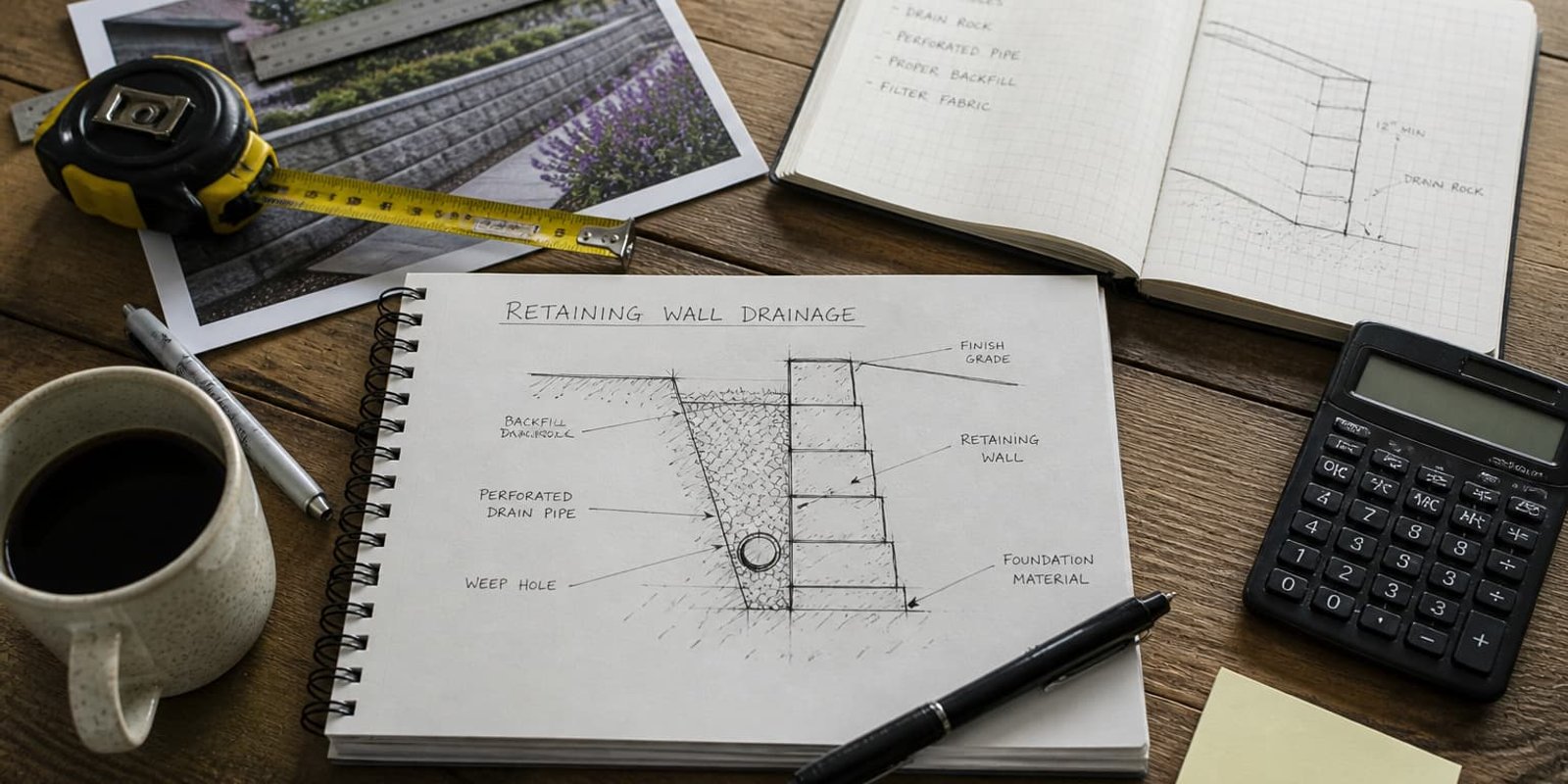
Heavy Sonoma County clay soil can hold too much water in winter.
Bad Irrigation Placement
Too much water can damage roots and waste water.
Wrong Sun Placement
Some plants need full sun, others burn if placed incorrectly.
Soil Preparation
Healthy root growth starts below the surface.
Related services:
Building a Low-Water Landscape That Lasts
A successful drought-tolerant landscape usually includes:
- Soil preparation
- Drainage planning
- Drip irrigation
- Proper plant spacing
- Mulch or decorative ground cover
When these pieces work together, the landscape looks better and needs less maintenance long-term.
If you're planning a lower-maintenance yard, Felix can help design a landscape that fits your property and Sonoma County's climate.